Basic Parts of Sewing Machine and Their Functions with Pictures
Sewing Machine:
A sewing machine is a machine that is used to sew other materials, including fabric and thread. were invented during the first industrial revolution to reduce the amount of manual sewing work in garment companies. It has greatly improved the efficiency and productivity of the garment industry. Home stitching machines are designed for one individual to sew individual items while the use a single sewing type. This article explains the details on the Basic Parts of a Sewing Machine and Their Functions with Pictures.
In a modern sewing machine, the fabric easily glides in and out of the machine without the hassle of needles and thumbs and other tools used in hand sewing, automating the process of sewing and saving time. In contrast, industrial sewing machines are larger, faster, more complex, and more varied in their size, cost, appearance, and function can be an executive guide or pattern-controlled.
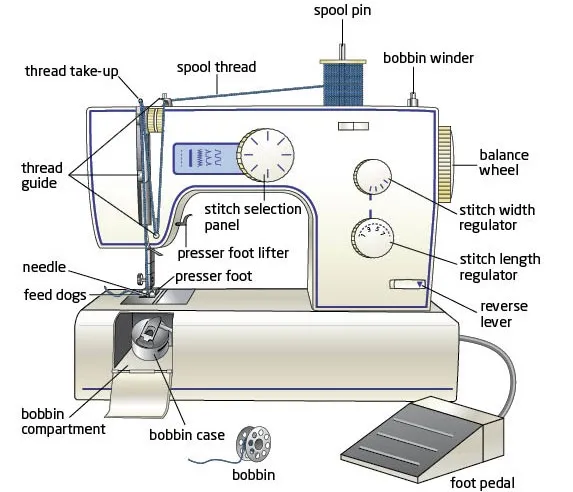
Parts of a sewing machine and their functions:
There are over 30 parts of a sewing machine, and every part performs an individual function. If you know them and their functions, you can run the machine. Knowing the part’s names is highly important. Because sewing is an important part of our daily life, our clothes are being made by sewing of sewing machines.
Sewing machine Parts name:
- Arm
- Handwheel
- Spool pin
- Bobbin winder stopper
- Stitch width dial
- Pattern selector dial
- Bobbin binder spindle
- Stitch length dial
- Reverse stitch lever
- Power stitch
- Presser’s foot
- Bobbin
- Bobbin cover,
- Bobbin cover release button
- Feed dog
- Needle
- Needle plate.
- Bobbin winder thread guide
- Thread tension dial
- Thread take-up lever
- Balance Wheel
- Face Plate Thumb Screw
- Feed Dog
- Needle Bar Thread Guide
- Needle Clamp
- Presser Bar Lifter
- Presser Foot Thumb Screw
- Pressure Regulating Thumb Screw
- Tension Spring
- The take-up lever
Here are the Basic Parts of a Sewing Machine and Their Functions with Pictures:
Arm
The arm is the curved section of the machine head that holds the mechanisms that drive the needle.
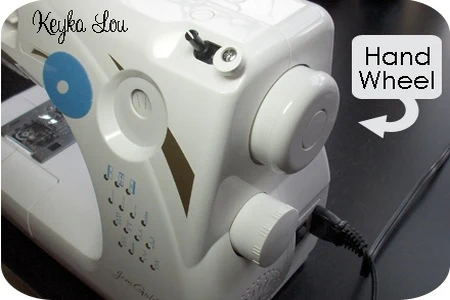
Handwheel:
Also called the balance wheel, the sewing machine handwheel is used to control the movement of both the take-up lever and the needle. Manual and electric sewing machines feature two handwheels. Therefore, you need to keep a close eye on the container in your hand and maintain it to prevent it from getting jammed.
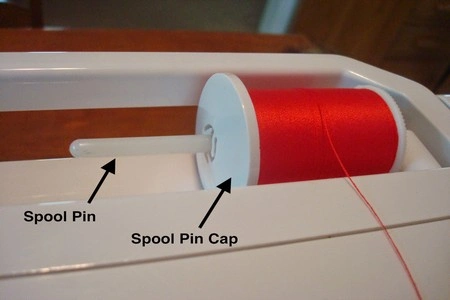
Spool pin:
The spool pin holds the spool of thread. It can be horizontal or vertical in place. It controls the direction of the sewing thread as the sewing thread passes through the machine.
Bobbin winder stopper:
Winds thread from spool to the bobbin. Bobbin winders can be located at the top or right side of the machine. Automatically stops the bobbin from winding when full.
Stitch width dial
The primary purpose of the stitch-width dial is to adjust the width of the zigzag stitch.
Pattern selector dial
The pattern selector dial lets you choose the symbol for the stitch pattern you want.
Bobbin binder spindle
The bobbin sits here while the thread is wound onto it.
Stitch length dial
The stitch-length dial allows you to control the length of each stitch, making them shorter or longer depending on your sewing needs.
Reverse lever:
The reverse lever is part of the sewing machine that makes it possible to hold the stitch back. This function is essential when sewing because it allows you to secure your sewing at the beginning. Reverse stitching is also necessary when finishing a seam. For some machines, it’s a lever, for others it’s a button.
Power stitch
First, need to press the power switch after plugging. Then we can run the machine. Power stitch connects and disconnects the power line from the sewing machine.
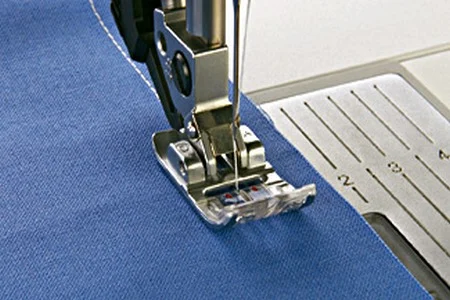
Presser foot lever:
A pressure foot is a sewing machine used to hold the fabric flat with which it is fed and sewn through the machine. It holds the fabric firmly against the feed dog so the material can move smoothly through the machine, applying steady downward pressure as it passes under the needle.
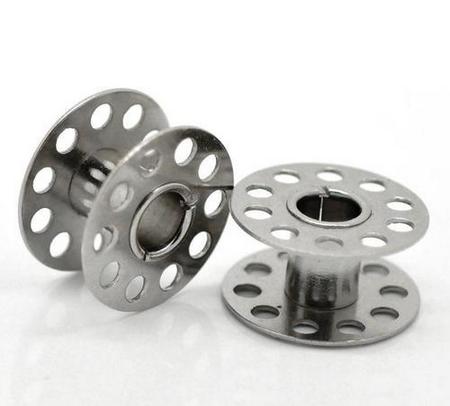
Bobbin:
In the case of sewing, a bobbin is a small metal, wood or plastic wheel or reel design that holds the thread. A bobbin is part of a sewing machine that cuts the bottom thread. The machine sews from the bottom thread, from the bobbin to the needle with the top thread.
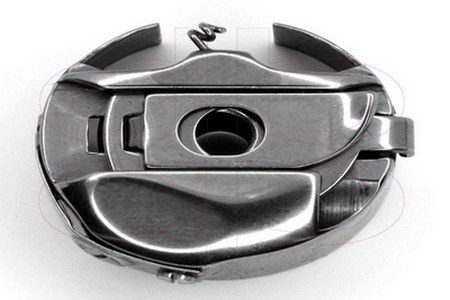
Bobbin case/ Cover:
A sewing machine bobbin case has important functions related to thread tension. It gently and securely holds the bobbin in place so that the machine can untie the thread without harmful movement. The bobbin case can be found under the needle plate.
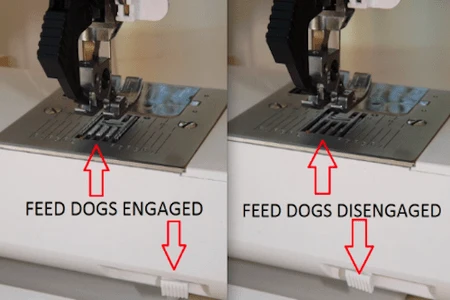
Feed dog:
Feed dogs are a teeth-like component. A set of feed dogs usually resembles two or three short, thin metal bars, which go back and forth in the slots on the needle plate of the sewing machine. Their purpose is to pull the fabric through the machine, in discrete steps, in-between stitches.
Needle:
To make a hole in the fabric so that the sewing thread can make a seam through it, without damaging any fabric, and to make a loop through to carry the needle thread through the fabric. After running the machine for a certain period of time, the needle becomes useless, so you need to change the needle after a day. Needle sharpness is the key.
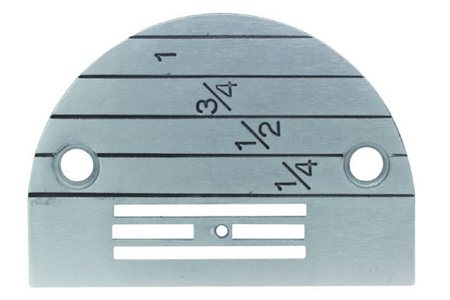
Needle Plate
The needle plate is the smooth metal surface beneath the needle and presser foot. It supports the fabric and works with the feed dogs to move the material forward as you sew.
Needle Clamp:
Most needle holders also have a clamp mechanism that locks the needle in place, allowing the user to insert the needle through a diverse tissue. The needle clamp is used to restore the needle in its place.
Tension disks:
Tension discs control the amount of thread applied to the machine’s needle and even to the feed as a result of sewing forming evenly. Many new sewing machines have discs hidden inside the machine cover. On machines with hidden tension discs, the discs are usually electronically controlled to control the tension. Always raise the pressure foot when threading the sewing machine so that the discs are not engaged and the thread is open to receive.
Pattern selector:
It is used to make stretch stitches and zigzag stitches. Turn the pattern selector dial to set the desired knitting symbol. On computerized machines, stitches are usually selected on the menu screen.
Throat plate:
The throat plate of the sewing machine is the metal plate under the sewing gadget needle and pressure foot. It is usually held in place with one or more screws. This is a removable part, which attaches to the bobbin and bottom covers of the sewing machine.
Thread cutter:
Automatic thread cutting means the sewing machine is doing all the cutting work for you without you having to use scissors or any kind of cutting thing. Thread cutters are usually located behind the needle of the sewing machine; the sewing thread can be cut using a thread cutter.
Slide plate:
It is a plastic cover that protects the bobbin case from dirt and dust. This leaves open space for access to the bobbin zone under the sewing machine to change the bobbins and for other maintenance in this area.
The take-up lever:
The take-up lever is located above the pressure foot of a sewing machine. This is the part of the machine that pulls the thread from the spool for feeding through the machine and returns the thread out of the fabric after the seam is made. It goes up and down during sewing.
Conclusion
If you are working in the clothing industry, have a sewing machine at home, or have a clothing business. Then you know what, all the Basic Parts of a Sewing Machine are important for a sewing machine for a good stitching process. For starting a clothing business from home or setting up a factory, the first thing you need to learn about is sewing, its parts, and their functions.