Choosing a fabric is choosing how a garment will look, feel, drape, wear and wash. Two dresses in the same pattern can behave completely differently if one is cut from crisp cotton poplin and the other from fluid viscose crepe.
A fabric is described by three things:
- Fiber: what the yarn is made of (cotton, linen, silk, wool, viscose, polyester and so on).
- Construction: how the yarns are held together (woven, knitted, nonwoven, lace) and in which structure (plain, twill, satin, jersey, rib).
- Finish: what is done afterwards (dyeing, printing, brushing, softening, easy-care, water repellent).
A fabric name such as "cotton poplin" or "polyester satin" usually combines a fiber and a construction. This guide covers the fibers first, then the named fabrics built from them.
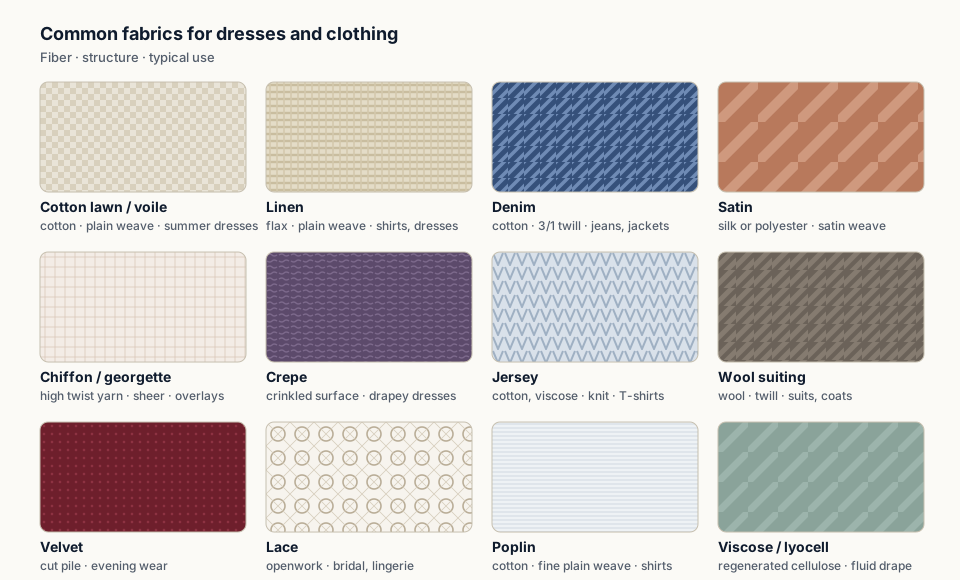
Types of fabric by fiber#
| Fiber | Type | Feel and look | Strengths | Watch out for |
|---|---|---|---|---|
| Cotton | Natural (plant) | Soft, matte, breathable | Comfortable, absorbent, easy to dye | Shrinkage, wrinkles |
| Linen (flax) | Natural (plant) | Crisp, textured, cool | Very breathable, strong, gets softer with use | Wrinkles easily |
| Silk | Natural (animal) | Smooth, lustrous, light | Drape, luster, comfort | Cost, delicate care |
| Wool | Natural (animal) | Warm, springy, matte to smooth | Warmth, wrinkle recovery, moisture handling | Felting shrinkage, needs gentle care |
| Viscose (rayon) | Regenerated cellulose | Soft, fluid, can be lustrous | Drape, dye brightness, comfort | Low wet strength, shrinkage |
| Modal and lyocell | Regenerated cellulose | Very soft, smooth | Better wet strength and stability than viscose | Price, pilling in some fabrics |
| Polyester | Synthetic | Can imitate most fibers | Strength, wrinkle resistance, quick drying | Less breathable, static, pilling in blends |
| Nylon (polyamide) | Synthetic | Smooth, strong | Abrasion resistance, stretch fabrics | Heat sensitivity |
| Elastane (spandex) | Synthetic | Added in small amounts | Stretch and recovery | Heat damage, chlorine |
| Acrylic | Synthetic | Wool-like | Low cost warmth | Pilling |
Regenerated fibers are compared in detail in viscose vs modal and modal vs cotton.
Blends#
Most clothing fabrics are blends because blending combines strengths:
- Polyester and cotton: easy care and strength with some cotton comfort. Common in shirts, uniforms and sweatshirts.
- Cotton and elastane: stretch denim, stretch poplin and fitted jersey, usually with a small percentage of elastane.
- Viscose and elastane: drapey stretch jersey and crepe.
- Wool and polyester: suiting with better wrinkle resistance and lower cost.
- Linen and cotton or viscose: the linen look with fewer wrinkles.
Woven or knitted?#
The second big choice is construction. Woven fabrics (poplin, denim, satin, crepe, chiffon) are stable and hold a shape. Knitted fabrics (jersey, rib, interlock, fleece) stretch and follow the body. The practical differences in cutting, sewing and testing are covered in knit vs woven fabric, and the knit family is described in different types of knit fabrics.
Named fabrics used for dresses and clothing#
Lightweight wovens#
| Fabric | Construction | Typical weight | Character | Uses |
|---|---|---|---|---|
| Voile | Plain weave, fine high-twist yarns | Very light | Sheer, soft | Summer dresses, blouses, linings |
| Lawn | Plain weave, fine cotton | Light | Smooth, slightly crisp | Dresses, nightwear, blouses |
| Poplin | Plain weave with fine ribs | Light to medium | Crisp, smooth | Shirts, shirt dresses |
| Chambray | Plain weave, colored warp, white weft | Light to medium | Denim look, lighter | Shirts, dresses |
| Chiffon | Plain weave, high-twist yarns | Very light | Sheer, floaty | Evening wear, overlays, scarves |
| Georgette | Crepe yarns, plain weave | Light | Grainy, fluid, less sheer than chiffon | Dresses, sarees, blouses |
Medium and fluid wovens#
| Fabric | Construction | Character | Uses |
|---|---|---|---|
| Crepe | Crepe yarns or weave | Crinkled, matte, drapey | Dresses, blouses, trousers |
| Satin | Satin weave, long floats | Smooth, lustrous face, dull back | Evening dresses, lingerie, linings |
| Charmeuse | Lightweight satin | Very fluid, lustrous | Slip dresses, blouses |
| Challis | Plain weave, soft yarns | Very soft, drapey | Printed dresses and skirts |
| Twill | Diagonal weave | Durable, drapes well | Dresses, trousers, workwear |
| Linen | Plain weave, flax | Crisp, textured | Summer dresses, shirts, suits |
Heavier wovens#
| Fabric | Construction | Character | Uses |
|---|---|---|---|
| Denim | 3/1 twill, indigo warp | Strong, fades with wear | Jeans, jackets, shirt dresses |
| Gabardine | Steep twill | Smooth, hard-wearing | Trousers, coats, suits |
| Wool suiting | Twill or plain, worsted yarns | Smooth, recovers from creasing | Suits, tailored dresses |
| Tweed | Coarse wool, twill or plain | Textured, warm | Jackets, skirts, coats |
| Corduroy | Cut weft pile in ridges | Soft ridges (wales) | Trousers, jackets, skirts |
| Velvet | Woven cut pile | Rich, soft pile | Evening wear, occasion dresses |
Knits for clothing#
| Fabric | Character | Uses |
|---|---|---|
| Single jersey | Light, stretchy, soft | T-shirts, jersey dresses, tops |
| Rib | Very stretchy in width | Fitted dresses, tops, trims |
| Interlock | Smooth both sides, stable | Baby wear, polo shirts |
| Ponte | Firm double knit | Tailored knit dresses, trousers |
| French terry and fleece | Looped or brushed back | Sweatshirts, joggers, sweater dresses |
Special fabrics#
- Lace: openwork fabric, knitted (raschel) or embroidered, for bridal wear and lingerie.
- Tulle and net: fine mesh for skirts, veils and underlayers.
- Organza: sheer and stiff, traditionally silk, now often polyester, for structured overlays.
- Taffeta: crisp plain weave with a rustle, for occasion wear.
- Seersucker: puckered stripes, for summer shirts and dresses.
Which fabric for which garment?#
| Garment | Good fabric choices | Why |
|---|---|---|
| Summer dress | Cotton lawn, voile, linen, viscose challis | Light, breathable, cool |
| Evening dress | Satin, charmeuse, chiffon, crepe, velvet | Drape and luster |
| Shirt dress | Poplin, chambray, lightweight denim | Holds collars and plackets crisply |
| Wrap dress | Viscose jersey, crepe | Drape and movement |
| Fitted bodycon dress | Rib, ponte, elastane jersey | Stretch and recovery |
| T-shirt | Single jersey | Comfort and stretch |
| Work trousers | Gabardine, twill, wool blends | Durable, holds a crease |
| Winter coat | Wool, tweed, melton | Warmth and body |
| Activewear | Polyester or nylon with elastane knits | Stretch, quick drying |
Fabric weight (GSM) guide#
Weight affects drape, opacity, warmth and cost. The ranges below are typical, not rules; weights vary by fiber and finish. For more ranges and how to measure weight, see the fabric GSM chart and fabric GSM.
| Weight class | Approximate GSM | Examples |
|---|---|---|
| Very light | Below 80 | Chiffon, voile, organza |
| Light | 80 to 150 | Lawn, poplin, light jersey |
| Medium | 150 to 250 | T-shirt jersey, twill, crepe, linen |
| Medium to heavy | 250 to 350 | Denim (lighter), ponte, fleece, suiting |
| Heavy | Above 350 | Heavy denim, coating wool, heavy fleece |
How fabric type affects testing and quality#
Different fabric types fail in different ways, so buyers test them for different properties. A factory should know the weak points of each fabric before bulk production:
| Fabric type | Properties most often tested | Why |
|---|---|---|
| Cotton knits | Dimensional stability, spirality, pilling | Knits relax and twist in washing |
| Viscose wovens and knits | Dimensional stability, seam slippage | Low wet strength, fluid structure |
| Dark cotton fabrics | Color fastness to washing and rubbing | Deep shades can bleed or crock |
| Satin, chiffon, georgette | Seam slippage, snagging | Smooth yarns slide at seams |
| Fleece and brushed fabrics | Pilling, shedding | Raised fibers |
| Sportswear | Air permeability, moisture management, stretch and recovery | Comfort and performance claims |
| Outerwear | Water repellency, abrasion (Martindale) | Weather protection and durability |
| Summer and outdoor wear | UV protection (UPF), where claimed | Sun protection claims must be tested |
The test methods behind these properties are described in fabric testing standards and methods. Shrinkage is usually the first test to check on any new fabric; see fabric shrinkage and the pilling test.
Care basics by fabric#
- Cotton and linen: washable; expect some shrinkage unless pre-shrunk; iron damp.
- Viscose: gentle wash, cool water, dry flat or line dry; avoid wringing when wet.
- Silk: hand wash or dry clean depending on the label; avoid strong sunlight when drying.
- Wool: wool-specific cold wash or dry clean; dry flat to avoid stretching.
- Polyester and nylon: easy wash, low heat in drying and ironing.
- Elastane blends: avoid high heat and chlorine, which damage the elastane.
Care labels must be based on how the finished garment actually behaves in the stated wash, so test the garment, not just the fabric.
Frequently asked questions#
What is the most common fabric for clothing? By total fiber production, polyester is the most produced textile fiber and cotton is second. For everyday garments such as T-shirts, shirts and jeans, cotton and cotton blends are still the most common choice.
What fabric is best for a flowy dress? Fluid fabrics with good drape: viscose challis, crepe, georgette, chiffon, charmeuse or viscose jersey.
What is the difference between chiffon and georgette? Both use high-twist yarns, but georgette is slightly heavier, less sheer and has a grainier surface.
Is satin a fiber? No. Satin is a weave. It can be made from silk, polyester, acetate or other fibers.
Why do some fabrics shrink more than others? Fiber type, construction and finishing all matter. Cellulosic fibers such as cotton and viscose swell in water, and fabrics stretched during finishing relax when washed.